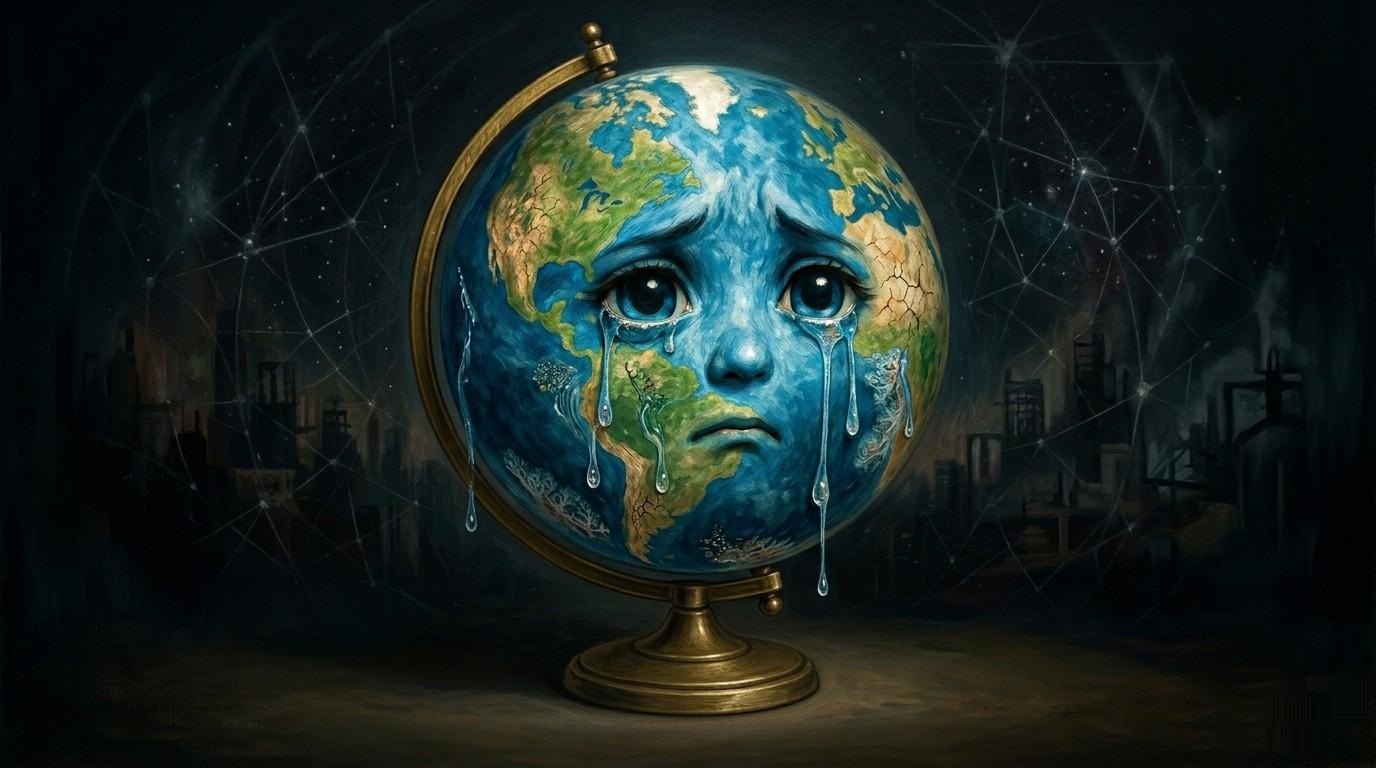

Plastic Pollution — A Growing Threat to Earth and Future Generations
Plastic has become a part of everyday life. From shopping bags and water bottles to packaging materials and disposable products, plastic is used almost everywhere because it is cheap, lightweight, and convenient.
But behind this convenience lies one of the biggest environmental threats facing our planet today.
Plastic pollution is silently damaging the Earth, harming wildlife, polluting oceans, contaminating water sources, affecting human health, and threatening the future of coming generations.
The Dangerous Rise of Plastic Waste
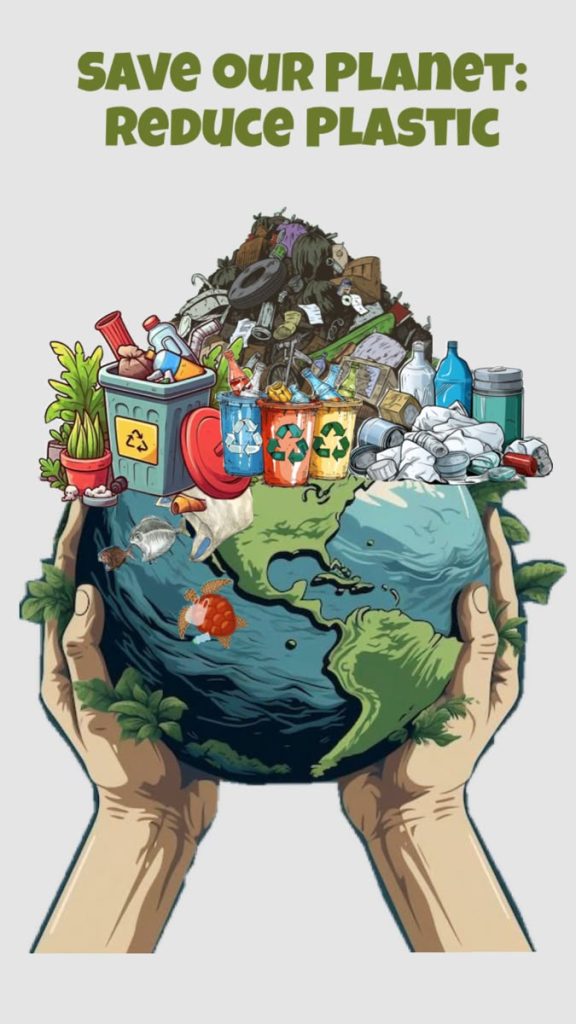
Every year, millions of tons of plastic waste are dumped into the environment. A large portion of this waste ends up in:
- Oceans and rivers
- Roads and public spaces
- Agricultural land
- Forests and coastal areas
- Drainage systems
Unlike natural materials, plastic does not decompose easily. Some plastic takes hundreds of years to break down, while many forms never fully disappear. Instead, they turn into tiny toxic particles called microplastics that continue polluting the environment.
Impact on Oceans and Marine Life
One of the most dangerous effects of plastic pollution is seen in oceans and marine ecosystems.
Thousands of marine animals and birds die every year because of plastic waste. Sea turtles mistake plastic bags for food, fish consume microplastics, and birds often get trapped in plastic materials.
Plastic pollution:
- Damages marine biodiversity
- Pollutes beaches and coastal areas
- Affects fishing communities
- Enters the human food chain through seafood
Our oceans are slowly turning into dumping grounds for human waste.
Harm to Animals and Birds
Plastic waste is not only a threat to marine life but also to animals and birds living around us.
Stray animals often consume plastic while searching for food in garbage. Birds become trapped in plastic waste or lose access to safe habitats due to pollution and environmental destruction.
As cities expand and plastic use increases, wildlife loses both safety and survival space.
Plastic and Human Health
Plastic pollution also affects human life more than many people realize.
Burning plastic releases toxic chemicals into the air, contributing to respiratory diseases and environmental damage. Microplastics have already been found in:
- Drinking water
- Food products
- Oceans
- Soil
- Even the human body
This raises serious concerns for long-term human health and environmental sustainability.
Why Reducing Plastic Matters
The Earth is already facing:
- Climate change
- Rising temperatures
- Water pollution
- Biodiversity loss
- Environmental imbalance
Excessive plastic usage is making these problems worse.
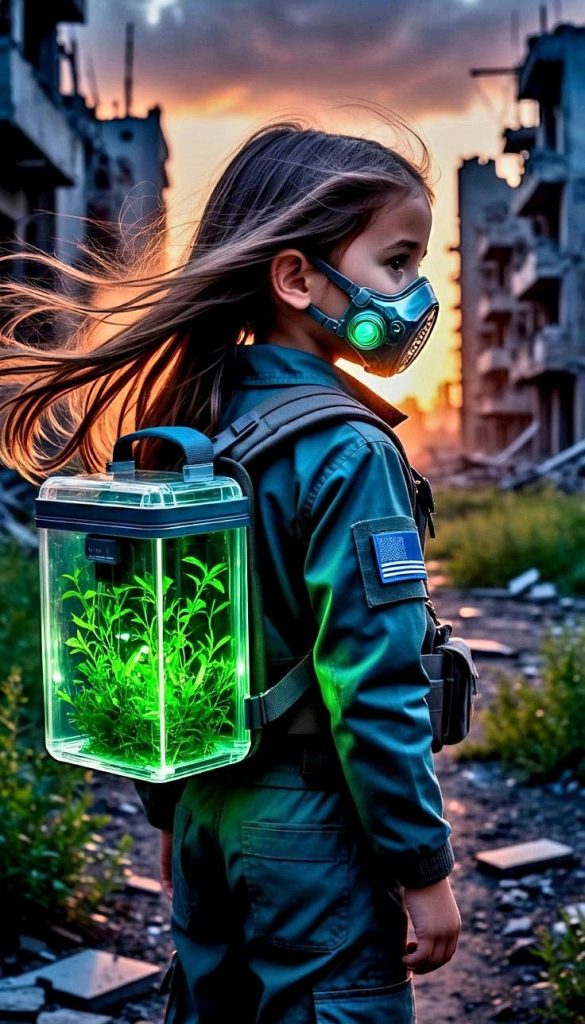
If immediate action is not taken, future generations may inherit a planet filled with polluted oceans, damaged ecosystems, unsafe water, and declining wildlife populations.
Small Actions Can Create Big Change
Fighting plastic pollution does not always require massive systems. Real change begins with everyday habits.
Simple actions can make a huge difference:
- Avoid single-use plastics
- Carry reusable bags and bottles
- Reduce plastic packaging
- Recycle responsibly
- Participate in clean-up drives
- Spread awareness in communities
- Support sustainable alternatives
When millions of people make small responsible choices, the collective impact becomes powerful.
A Shared Responsibility
Protecting the Earth is not the responsibility of governments or organizations alone. Every individual has a role to play in protecting nature and reducing pollution.
At WAID FOUNDATION, we believe environmental responsibility begins with awareness and action. By educating communities, encouraging sustainable living, and promoting environmental protection, we can help build a cleaner, greener, and healthier future.
The Earth is not asking for perfection.
It is asking for responsibility.
If we continue polluting nature today, future generations will pay the price tomorrow.
Now is the time to reduce plastic usage, protect our environment, and become part of the solution instead of the pollution.
WAID FOUNDATION
Care • Protect • Empower
WAID FOUNDATION – Care • Protect • Empower

Contact WAID FOUNDATION
WAID FOUNDATION
Care • Protect • Empower
📞 Phone: +91 7396369977
📧 Email: Info@waidfoundation.org
📧 Alternate Email: Waidfdn@gmail.com
🌐 Website: https://waidfoundation.org/
📍 Location: Kakinada, Andhra Pradesh, India – 533005.
Connect With Us on Social Media
WAID FOUNDATION welcomes collaborations, volunteers, CSR partnerships, humanitarian support, and global community participation to create meaningful social impact worldwide.